
Checkout speed is a product feature-especially on weekends. Walk through a story from the front line (the Saturday rush) and learn the specific POS and operational changes that shave seconds off every transaction without sacrificing accuracy.
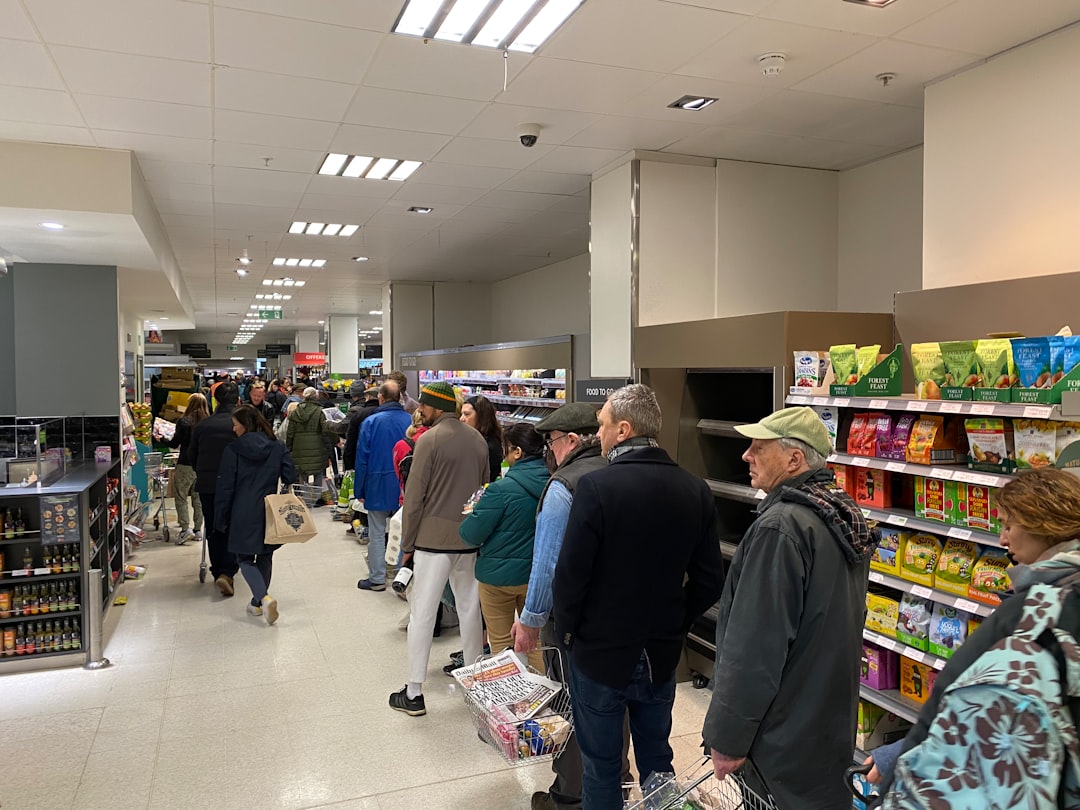
It's Saturday. The line is long. Someone is asking if you have a size you don't have. A card reader is beeping. A regular is trying to talk while you're scanning. And your newest employee is doing the "I swear I'm trying" look.
In moments like that, checkout speed isn't a nice-to-have. It's throughput. It's customer mood. It's staff stress. It's revenue.
This post is a story-because the best checkout improvements aren't theoretical. They're the tiny decisions you make when the real world is loud.
The Saturday Rush (and where time actually disappears)
The first thing our team learned watching real checkout flows is that nobody wastes time on one big thing. Time leaks out through micro-friction:
- Searching for items because names are inconsistent
- Too many taps to apply a common discount
- Unclear prompts that force the cashier to pause and read
- Inventory surprises (“wait-are we out of that?”)
- Receipts that don't match what the customer expects
Engineers sometimes call this latency. Operators call it the line getting angry. Same concept.
Change #1: Make your top sellers unmissable
If your top 20 items are buried in a catalog of 800, you're basically asking staff to type during a sprint.
Do this instead:
- Create a "Top Sellers" quick section.
- Use short, consistent names (no extra adjectives).
- Group by how the cashier thinks, not how your vendor invoices.
Even if you only save 2 seconds per transaction, in a 200-transaction day that's over 6 minutes of line-time you get back.
Change #2: Reduce "decision points" at the register
The register is not the place for long decisions. If an item requires too many choices (size, color, add-ons, notes), staff slow down.
Try these tactics:
- Default the common option. Let staff change it when needed, but don't force a choice every time.
- Use clear variants. "Latte (12oz)" and "Latte (16oz)" beats "Latte" + popup every time.
- Pre-build bundles. If "Coffee + Muffin" is common, make it one tap.
Change #3: Treat discounts like products (with guardrails)
Discounts are a common source of slowdowns because staff hesitate: "Is this allowed? Which button is it? Do I need a manager?"
We've found a good pattern is to define a small set of discounts that are:
- named clearly (for example: "10% Student", "$5 Bounce-Back", "Employee Meal")
- applied consistently
- auditable later
That makes the register experience fast and the back office experience clean.
Change #4: Fix the inventory interruption problem
The fastest checkout in the world can't save you if you keep hitting: "Are we out of that?"
Even lightweight inventory tracking helps because it reduces on-the-fly detective work. It doesn't have to be perfect to be useful.
A practical approach:
- Track inventory on your top sellers and long-lead-time items first.
- Use simple low-stock alerts as your early warning system.
- Do a quick count at open or close for the few items that always cause drama.
Change #5: Make receipts do the explaining
During the rush, you don't have time to explain every line item. Clear receipts prevent post-checkout friction:
- "Why is this price different?"
- "Did my discount apply?"
- "What did I buy again?"
When receipts are itemized and consistent, customers self-serve those answers. That keeps the line moving.
Putting it together: the Saturday Ready checklist
- Top sellers are one tap away
- Common choices are defaulted
- Discounts are standardized
- Inventory interruptions are reduced
- Receipts explain themselves
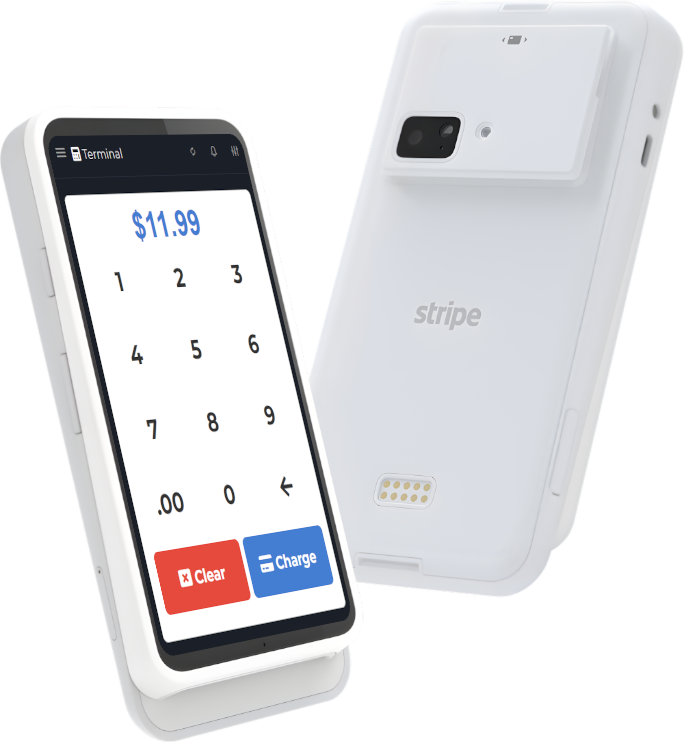
If you want a POS that's designed around these real-world constraints-speed, clarity, and clean records-take a look at M&M POS. It's built for the day-to-day flow of small teams, not just features on paper. You can download M&M POS and test it during a real rush: run it on a single lane/register, compare transaction time and errors, and keep what works.
Because on Saturdays, seconds matter.