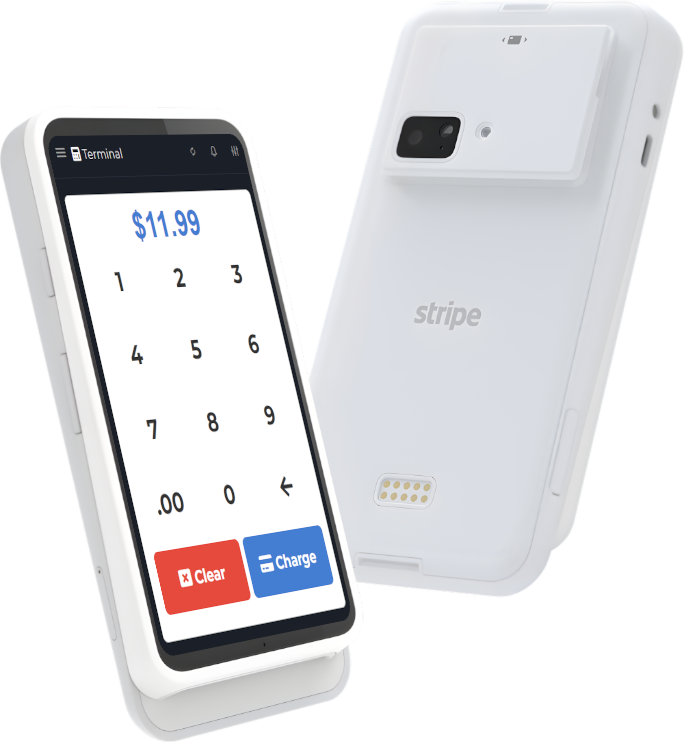


Menu trends move fast - and seasonal experiments can either boost sales or create chaos. Here is a practical playbook for testing trend items (like banana drinks) using POS structure, inventory guardrails, and staff-friendly training.
Menu trends are weird in a predictable way: they look like "fun marketing" until your team is drowning in custom orders and you realize you never wrote down the recipe. Right now, one trend popping up in drink menus is banana - especially in coffee and blended beverages. Whether it is banana cold foam, banana cream add-ons, or tropical-inspired mixes, customers are asking for it.
The smart move is not "say yes to everything." The smart move is to test trends like you would test a new station layout: with a plan, guardrails, and feedback.
This playbook is a practical way to run seasonal tests without wrecking operations. If you want a POS setup that makes experiments easier (and clean to remove later), M&M POS is built for fast item and modifier changes. You can download M&M POS and spin up a seasonal menu with clear reporting and inventory notes.
Step 1: Define your test window and success metric
Before you add a trend item, decide:
- Test length: 7 to 14 days is enough for most small teams.
- Success metric: attachment rate, profit per order, or repeat purchases.
- Operational limit: how many custom steps are you willing to add during rush?
Write it down. Otherwise trend items become permanent by accident.
Step 2: Build the item so your POS does the training for you
Trend items fail when the recipe lives only in one employee's head. Your POS should carry the "memory":
- Use an item description that includes the recipe steps in short form.
- Add required modifiers (size, milk type, add-on) so staff do not forget.
- Keep optional modifiers limited so you do not create infinite combinations.
In M&M POS, the goal is to make the ticket printout read like an instruction card, not a mystery novel.
Step 3: Protect your line with a "rush mode" rule
Here is a rule that saves teams: if the line is past a certain point, the seasonal item becomes "limited". You can communicate it politely: "We can do that when the rush slows down." This is not bad service. It is protecting the overall experience for everyone.
Operationally, you can implement this by having two versions:
- Full build (all options)
- Rush build (one standard recipe)
Step 4: Inventory guardrails (do not let a trend destroy your margins)
Trend ingredients are often specialty items: flavored syrups, purees, toppings. The margin risk is real because waste is high early on. Guardrails:
- Start with a small par level and reorder only after you see demand.
- Pre-portion where possible to reduce over-pouring.
- Track waste on a simple sheet for the first week.
If you are using M&M POS, put inventory notes directly on the item so managers see the guardrail during receiving and prep.
Step 5: Two-minute staff training beats a ten-page SOP
Seasonal items do not need a big manual. They need a tight micro-brief:
- What the item is and how to describe it to customers
- Exact build steps (one standard recipe)
- What can and cannot be customized
- What to do during rush (rush mode rule)
Step 6: Review the test with data and one honest question
At the end of the test window, look at sales and ask your team one honest question: "Did this make our day better or worse?" Sometimes a trend item sells well but creates stress that is not worth it. Your best menu is the one you can execute consistently.
Run the experiment inside M&M POS
To keep seasonal testing clean, build a dedicated seasonal category and a small set of standardized modifiers in M&M POS. When you are ready, download M&M POS and run a 7-day test. If it works, keep it. If it does not, remove it - and your core menu stays clean.
Trends come and go. The advantage is not chasing every trend. The advantage is having a system that can test quickly, learn, and move on without chaos.