
Customers expect more ways to pay every year: digital wallets, pay by bank, and buy now pay later options. Learn a practical decision framework for small businesses, including fees, checkout speed, risk, and how to keep reporting clean in your POS.
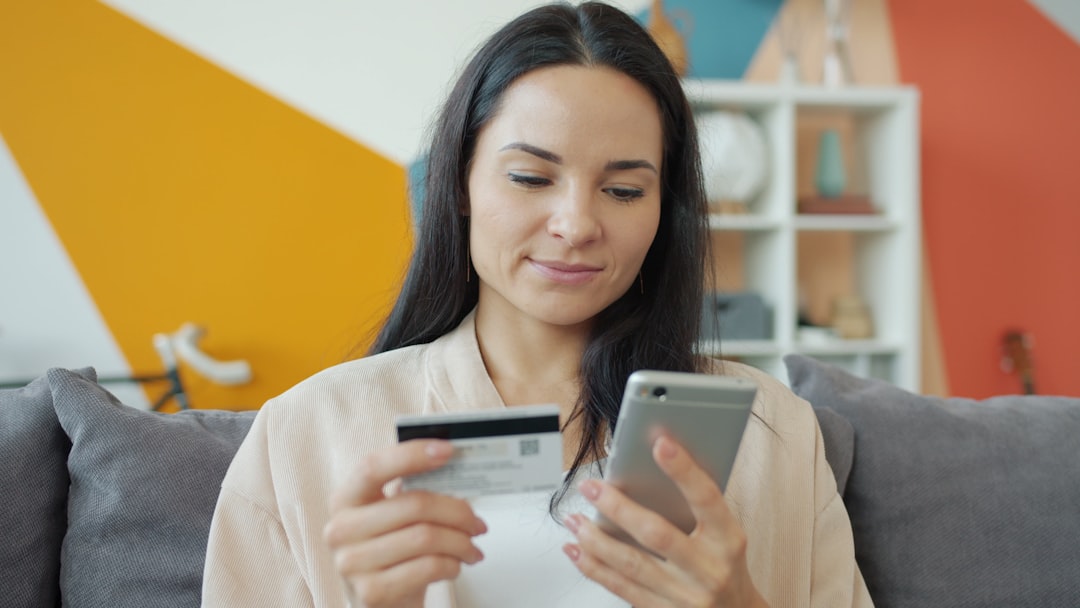
Every year, checkout gets one step more complicated. Customers ask, "Do you take Apple Pay?" Then it becomes "Do you have pay by bank?" Then someone asks about buy now, pay later. If you are a small business, it can feel like you are being pressured to support everything, everywhere, all at once.
You do not need to accept every payment method to win. You need to accept the right methods for your customers, while keeping operations and reporting clean.
This is a practical decision guide. No hype. No vendor cheerleading. Just a way to think about the tradeoffs.
One baseline: whatever methods you support, your POS needs to record them consistently so your reports remain truthful. If you are cleaning up payment-type tracking and receipt clarity, set up M&M POS. You can download M&M POS and keep your catalog, taxes, discounts, and payment notes structured while you expand checkout options.
The four questions that decide everything
When evaluating any payment method, ask:
- Customer demand: Are customers asking for it, or is this a trend you saw online?
- Cost: What are the fees, and are there hidden costs (chargebacks, disputes, support time)?
- Speed: Does it make the line faster or slower?
- Risk: How easy is it to dispute, reverse, or scam?
If a method does not score well on at least two of these, it is probably not worth the operational complexity.
Digital wallets: still the best "default upgrade"
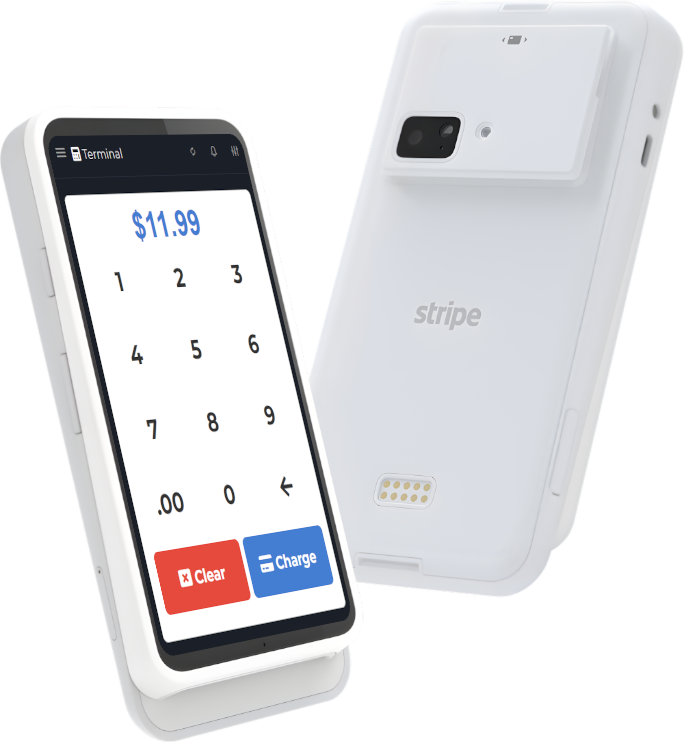
Wallets (phone tap payments) are popular because they are fast and familiar. For in-person checkout, speed matters more than most owners realize. When the line moves, customers feel less stressed and staff makes fewer mistakes.
Operational benefits:
- Fewer mis-typed card numbers (because there are none).
- Faster checkout in busy windows.
- Less "where is my wallet" delay.
Practical advice: if you are choosing one "modern" method to prioritize, wallets are usually it.
Pay by bank: lower cost, different expectations
"Pay by bank" (bank-to-bank payment methods) is growing because it can reduce costs and provide real-time confirmation in some regions. For small businesses, the question is less "is it the future" and more:
- Will customers use it in your category?
- Is it fast enough for your checkout flow?
- Does it create extra support questions?
Where it can make sense:
- Higher-ticket invoices (services, custom orders).
- B2B payments where bank transfer is already normal.
- Situations where card fees meaningfully reduce margin.
Where it can be awkward:
- Fast in-person retail lines.
- Impulse purchases where extra steps kill conversion.
BNPL: a conversion lever, not a free lunch
Buy now, pay later (BNPL) options can increase conversion and average order value in certain categories. But they also introduce:
- Fee differences (sometimes higher than cards).
- More complexity at refund time.
- Customer confusion when returns happen.
Engineer perspective: BNPL changes the state machine of your checkout. Returns are no longer a simple reverse; they can have timing and settlement rules. If you adopt BNPL, make sure staff knows the return workflow.
BNPL tends to work best for:
- Higher-ticket items (apparel bundles, electronics accessories, specialty retail).
- Planned purchases rather than emergency or convenience purchases.
Cash-based methods: do not ignore what your customers actually do
Even in a modern checkout world, cash is still real in many local markets. If you accept cash, tighten the workflow:
- Require cash drawer counts (start and end).
- Make "cash" a distinct payment type in reporting.
- Train staff on making change and recording tips consistently.
Clean cash tracking is one of the easiest ways to reduce "mystery shrink".
The POS problem: payment method sprawl breaks your reporting
Here is the hidden cost of too many methods: your reports get noisy. Owners stop trusting the numbers. Staff starts improvising how to record payments. Then reconciling deposits becomes a weekly headache.
The fix is not "accept fewer methods" (though sometimes it is). The fix is: standardize how you record them.
If you are building or rebuilding that structure, M&M POS is a good foundation because it pushes you toward consistent itemization and predictable receipt behavior. If you have not yet, download M&M POS and define a short list of payment types your team will use consistently.
A recommended "small business default" set
For many local businesses, a good baseline is:
- Card (including tap)
- Digital wallet (phone tap)
- Cash
- Invoice / pay by bank (if you do services or B2B)
Then add BNPL only if your average ticket and customer demand justify it.
How to decide in one afternoon
If you want a quick, non-overwhelming process:
- Ask your staff: what payment questions come up weekly?
- Look at your last 30 days of tickets: what is your average ticket and top categories?
- Pick one method to add (or improve) this month.
- Write the refund workflow for that method on one page.
- Update your POS payment-type tracking so reporting stays clean.
Checkout is not about trends. It is about reducing friction for the right customers and keeping your internal systems honest. Choose the payment methods that match your reality, then make them operationally boring.