
A customer-friendly guide to payment links: what they are, when to use a payment link vs an invoice, and a simple checklist to start getting paid faster.
Payment Links for Small Businesses: Get Paid Faster Without an Online Store
Not every sale happens at the counter. Customers ask to pay later, pay remotely, or pay from their phone while you are on a call. If your only option is "come back in person," you lose time and you lose sales.
A payment link solves that problem. You send a simple link by text, email, or message. The customer pays in minutes. You move on.
- TL;DR: Use payment links for fast, remote payments. Use invoices when you need line-item details, terms, or customer-specific billing.
- Best for: deposits, phone orders, pop-ups, service jobs, and "pay now" reminders.
- Watch for: fees, refunds, and how receipts work. Ask these before you depend on any system.
What is a payment link?
A payment link (sometimes called "pay by link") is a shareable URL that takes a customer to a secure payment page. Instead of collecting card details over the phone or waiting for an in-person visit, you request payment with a link and let the customer complete the checkout on their own device.
This is especially useful when you sell through conversations: DMs, email, phone calls, and quotes.
Payment link vs invoice: when to use each
Both tools help you get paid, but they serve different moments in the customer journey.
- Use a payment link when you want a quick "pay now" action that works for anyone you send it to.
- Use an invoice when you need formal billing details, customer-specific terms, or a record that matches your internal paperwork.
If you are unsure, start with this rule: if the customer asked for a bill, send an invoice. If the customer asked, "Can I pay you right now?" send a payment link.
Common small business use cases
Payment links are simple, but the impact is real. Here are a few everyday examples:
- Deposits and holds: take a deposit before you reserve inventory or time.
- Phone orders: accept payment without asking the customer to come back.
- Pop-ups and events: send a link for large orders if a line is long, or for follow-up purchases after the event.
- Service businesses: collect payment right after the job while the customer is still happy with the result.
- Repeat payments: pair payment links with subscriptions when you have recurring services or memberships.
Customer trust: how to make payment links feel safe
Customers do not love surprises. A link that shows up out of nowhere can look suspicious. You can increase trust with a few simple steps:
- Send context first: "Here is the link for your order #1042 (2 candles + gift wrap)."
- Match names: make sure the payment page clearly shows your business name.
- Keep the flow simple: fewer steps means fewer abandoned payments.
Also decide your internal rule for when a link is acceptable. For higher-value orders, you may prefer a formal invoice with clear terms.
What to ask before you choose a payment link tool
Not all payment link setups are the same. Ask these questions before you build a process around them:
- Receipts: Does the customer automatically receive a receipt? Can you resend it?
- Refunds: How do refunds work and who can approve them?
- Fees and timing: What does it cost and when do funds hit your account?
- One-time vs recurring: Can you collect a one-time payment and also support recurring payments if you need them?
- Customer support: If a customer cannot pay, how do you get help quickly?
How M&M POS supports payment links, invoices, and in-person checkout
M&M POS is built to help business owners take payments and keep operations organized across different ways customers buy. Based on mmpos.app, M&M POS supports:
- Invoices and payment links you can send to customers
- Subscriptions for recurring billing
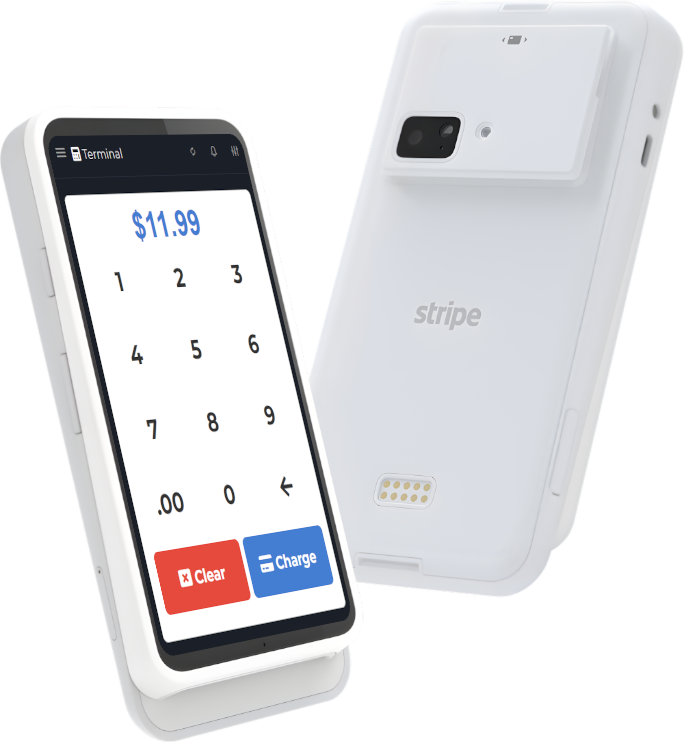
- In-person terminals for counter checkout
- Tap to Pay on a mobile device for selling on the go
- Online ordering with payments enabled
- Apple Pay and Google Pay for online payments and invoices
That combination gives you flexibility: take payment in person when it is convenient, and request payment remotely when it is not.
Implementation checklist: set up payment links without chaos
- Decide when to use a link: deposits, phone orders, and quick follow-ups are a good start.
- Write a message template: include order details, amount, and a clear due date.
- Define a receipt fallback: if email or SMS is delayed, note an order number and resend once confirmed.
- Set a refund policy: who can approve refunds and how quickly you handle mistakes.
- Track outcomes: measure time-to-payment and which messages get the fastest response.
Book a demo
If you want to see how payment links, invoices, and in-person checkout can work together for your business, book a demo. We will map your sales flow and recommend a setup that fits how your customers actually pay. Start at mmpos.app.