

Everything you need to go from zero to live store — product selection, platforms, marketing, fulfillment, and launch tactics.
From Idea to Online Store — Let’s Make It Real
Starting an online store is one of the most accessible ways to build a business today. But too many new entrepreneurs get stuck on choosing platforms, building catalogues, or promoting prematurely. Here’s a clear roadmap to launch successfully.
1. Validate First — Don’t Build Blind
Use a landing page or social media to gauge interest before you invest in design. Offer a waitlist or “preorder” button. See if people actually want it.
2. Choose the Right Platform
Do you need full flexibility or simplicity? Shopify, WooCommerce, Wix, or SaaS store builders each have pros and cons. Focus on one with good plugin support, SEO, and payment gateways.
3. Source & Build Your Catalog
Select products with good margins, reliable suppliers, and clear demand. Start small—10 to 20 SKUs is fine enough to test. Write honest, benefit‑driven descriptions and use quality images.
4. Set Up Payments, Shipping, & Policies
Ensure you support multiple payment types (cards, wallets). Define shipping rules (free threshold, zones). Draft refund & privacy policies so customers feel safe buying from you.
5. Soft Launch Before Big Launch
Invite friends, partners, or early users to test and buy. Fix bugs, get reflections. Use this as a rehearsal before opening to the world.
6. Promote Strategically
Use launch promotions, social teasers, influencer tie-ins, and email blast. Don’t try every channel—pick 1 or 2 and do them well.
7. Track, Learn & Iterate
After launch, monitor which products sell, where traffic comes from, and where customers drop off. Tweak pricing, layout, ad copy accordingly.
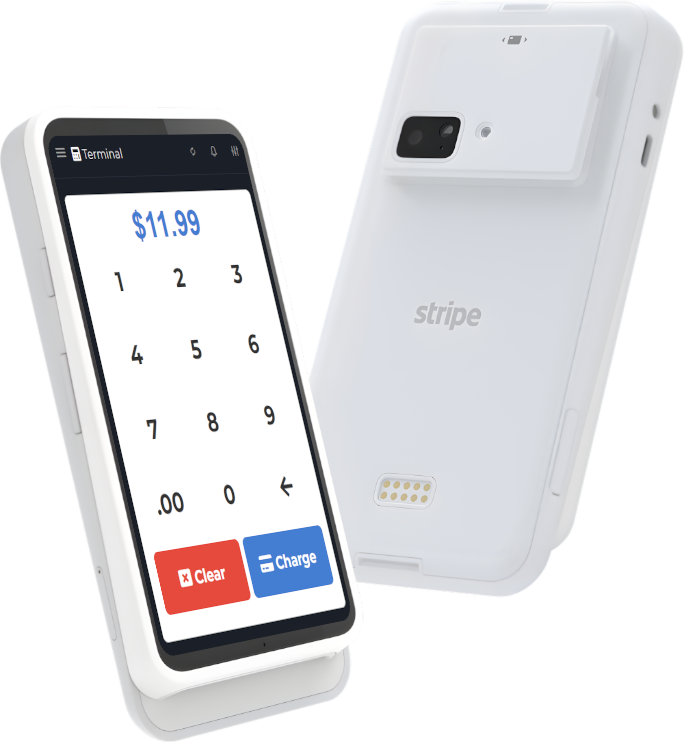
And of course, support your backend with tools that streamline operations. M&M POS integrates inventory, payments, and order management so your store remains organized as you scale.
Final Thought
Launching an online store doesn’t have to be overwhelming. Validate, launch minimally, adapt fast—and use the right tools to turn complexity into execution.