

Going beyond “single prompts,” learn how to orchestrate AI agents and chains so your business automations become smarter over time.
From Prompt → Task → Pipeline: The Shift to Agent‑Driven AI
Generative models can take your instructions and return output. Agent systems take that further—multiple modular “agents” work together, call APIs, make decisions, and complete workflows autonomously. That’s how modern businesses scale smart systems rather than hire for repetition.
Consider this: a lead enters your funnel, and agents trigger email outreach, content generation, scheduling, CRM updates, and follow-ups—all coordinated. That’s autonomy. Here’s how to build it.
1. Identify Repeatable Subtasks & Chains
Break down your business into smaller workflows: onboarding, content generation, customer support, upsells. Map each into steps (e.g. “generate email,” “check payment,” “send discount”). That’s your agent architecture.
2. Assign Agent Roles & Responsibilities
- Input Agent: Accepts triggers (new lead, purchase) and routes context
- Processing Agent: Runs prompts, logic, branching decisions
- Action Agent: Calls APIs (send email, update CRM, schedule)
- Monitoring Agent: Watches for errors, fallback logic, retry, logging
3. Use Function Calls & API Integration
Modern LLMs allow you to define “functions” (HTTP endpoints, scripts) they can call. Your agent chain triggers those functions to act (send email, pull data, write to DB). This bridges generative output to real execution.
4. Add Feedback & Learning Loops
Have your agents track success/failure, errors, user feedback, conversion metrics. Use that feedback to refine prompts, thresholds, step logic. Agents evolve rather than stagnate.
5. Safeguards, Overrides & Logging
Always include checkpoints. Let agents pause before high-impact steps, allow human review, build audit logs. You need visibility and safety as complexity grows.
6. Embed POS & Business Data as Context
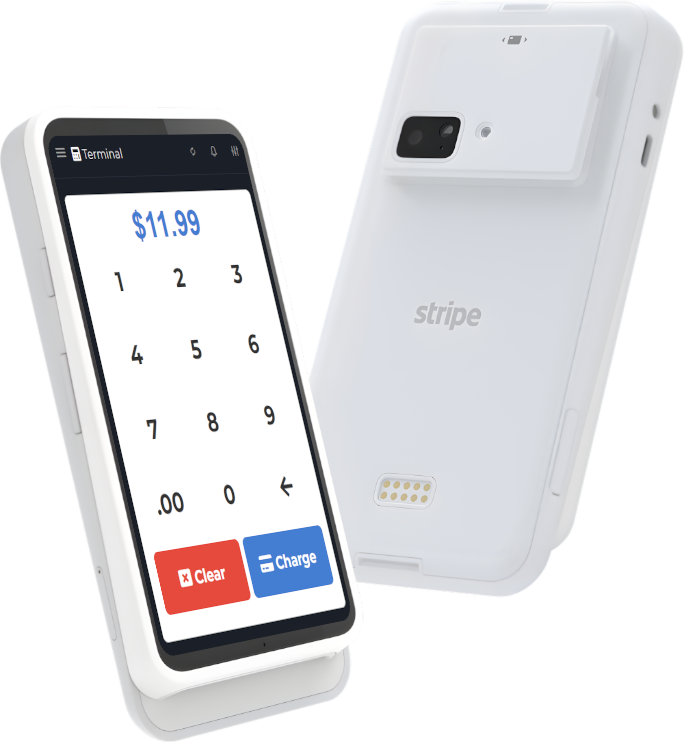
Your POS system should feed agents context: purchase history, inventory, segments, user profiles. That ensures agents’ decisions are grounded in business reality. M&M POS acts as your source-of-truth here.
Conclusion: Towards Autonomous Value Engines
Agent-driven AI workflows turn your tasks into living systems that adapt, learn, and scale. You go from writing prompts to owning resilient systems. Start small, chain smart, monitor closely—and you’ll build an AI-managed backbone behind your growth.