

Buy Now, Pay Later isn't just e-commerce anymore-customers expect it in more places. This decision guide breaks down when BNPL improves conversion and average ticket, when it's a margin trap, and how to operationalize refunds, disputes, and staff training in a POS workflow.
"Can I split this up?" used to mean layaway, a credit card, or awkward math at the register.
Now customers increasingly expect a cleaner option: Buy Now, Pay Later (BNPL). It's no longer confined to online checkout flows. It's showing up in more in-person and service-business conversations-especially for higher-ticket purchases.
BNPL can be a legitimate growth lever. It can also become a quiet profitability leak if you roll it out without a plan.
First: what BNPL is (in operator terms)
BNPL is a payment method that lets customers pay over time while you (often) receive funds up front, minus fees. The provider takes on the repayment relationship with the customer.
That sounds simple-until you zoom into the real-life edge cases: refunds, returns, partial fulfillment, disputes, and staff behavior at the counter.
When BNPL tends to help
In our experience, BNPL is most useful when at least one of these is true:
- Higher average order value: products or services where the customer wants a smoother decision moment.
- Clear, low-return categories: fewer "I changed my mind" scenarios means fewer operational headaches.
- Competitive shopping: customers are comparing options and financing is part of the decision.
When BNPL quietly hurts
BNPL is not automatically bad-but it can be misaligned.
Consider pausing or limiting BNPL if you see:
- Thin margins: if your margin can't absorb fees, you're buying revenue that doesn't become profit.
- High return rates: BNPL + returns can turn into refund complexity and customer confusion.
- Impulse categories: if customers regret purchases quickly, you'll spend time on post-sale support instead of serving new customers.
A simple BNPL decision checklist
If you want a quick "should we do it?" meeting with yourself (or your team), ask:
- What problem are we solving? Conversion, average ticket, or customer preference?
- What's our fee tolerance? Can we price to accommodate it without surprise pricing?
- What's our refund reality? Are we a "no questions asked" shop, or a strict return policy shop?
- Who owns the process? If everyone owns it, nobody owns it.
Operationalizing BNPL: the part that makes it work
1) Write the staff script
BNPL should be offered like an option, not like pressure. A good script sounds like:
"If you want, you can use a pay-over-time option at checkout. Totally optional."
A bad script sounds like: "You can get this for only $X per month!" (That's where customer trust starts to wobble.)
2) Define refund handling before you take the first BNPL sale
Refunds are where small businesses get burned-because the customer's mental model differs from yours.
- Can you do partial refunds easily?
- What's the expected timeline for the customer to see adjustments?
- Who is allowed to process BNPL refunds (role-based control)?
From an engineering perspective, this is just "happy-path vs edge-cases." In operations, it's the difference between smooth days and angry follow-up calls.
3) Keep receipts and reporting crystal clear
Your transaction logs are how you defend disputes and understand profitability. Make sure BNPL sales are clearly labeled in reports, and that you can quickly answer:
- How much volume is BNPL?
- What is the effective cost after fees?
- Do BNPL customers return and buy again, or is it one-and-done?
Where M&M POS fits
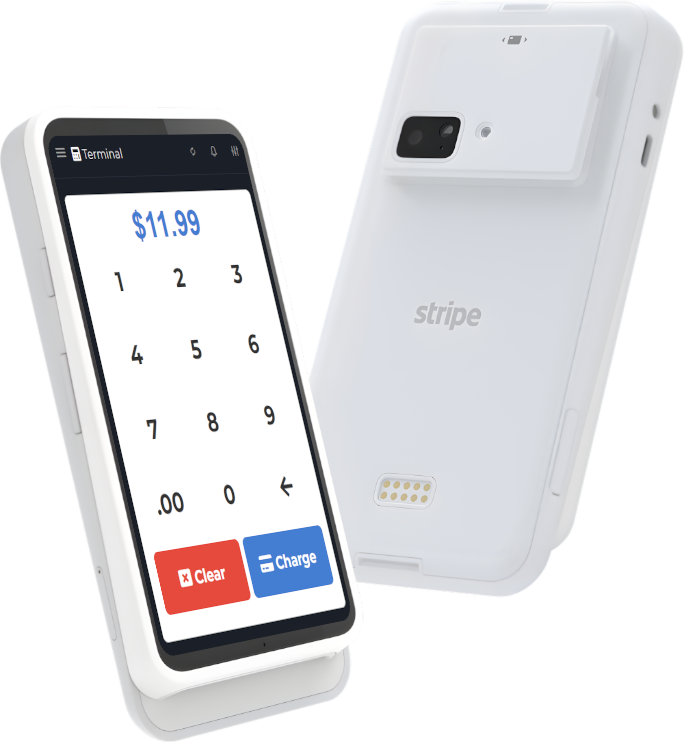
BNPL decisions get easier when your POS gives you clean visibility into your payment mix, refund activity, and item-level performance. A POS should make it obvious what's working-without you exporting spreadsheets every night.
If you're evaluating new payment methods this quarter, install download M&M POS and run a simple experiment: track BNPL (or any alternative method) as a clearly labeled slice of sales, then compare average ticket, return behavior, and staff friction. When your data is clean, the business decision stops being emotional.
The takeaway
BNPL can boost conversion and help customers say "yes" on bigger tickets-but only if you treat it as an operational system, not a checkout gimmick. Write the staff script, define refund rules, keep reporting clean, and measure profitability-not just revenue.