
New AI security releases and developer tooling trends point to a practical reality for local businesses: account access, staff permissions, and checkout workflows need to be treated as everyday operating systems, not afterthoughts.
AI Account Security Is Becoming a Daily Operations Issue for Small Businesses
Every few months, security used to feel like something a small business could put in the “important, but later” bucket. A password reset here, a software update there, maybe a quick reminder to the team not to click suspicious links. That approach is getting harder to defend. The tools businesses use every day are becoming more connected, more automated, and more AI-assisted. That is useful, but it also means the risk surface is moving closer to the counter, the invoice, the customer profile, and the checkout screen.
One of the trends our team has been watching is the way major software companies are putting more attention into account security for AI-powered products. OpenAI’s recent news cycle included advanced account security, managed agents, orchestration, and model updates. Hacker News was also full of security-heavy discussion today, including supply-chain concerns around developer libraries and broader debates about platform-level AI features. Those may sound like engineering topics, but the lesson for local businesses is simple: the next wave of business software will do more on your behalf, so permissions and controls matter more than ever.
For a retail shop, restaurant, service counter, repair desk, salon, or mobile service team, security is not just about hackers in a movie hoodie. It is about who can refund an order, who can edit inventory, who can view customer history, who can export reports, who can accept payments, and who can change the business settings after a long shift. AI makes the conversation more urgent because more apps are starting to summarize data, automate messages, draft replies, and recommend next steps. If the wrong person has the wrong access, automation can multiply the mistake.
The checkout counter is now part of your security model
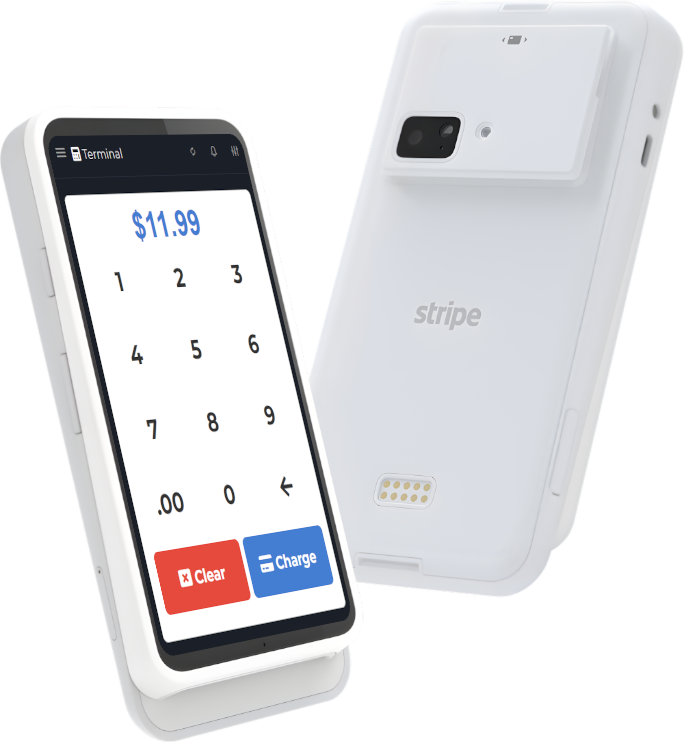
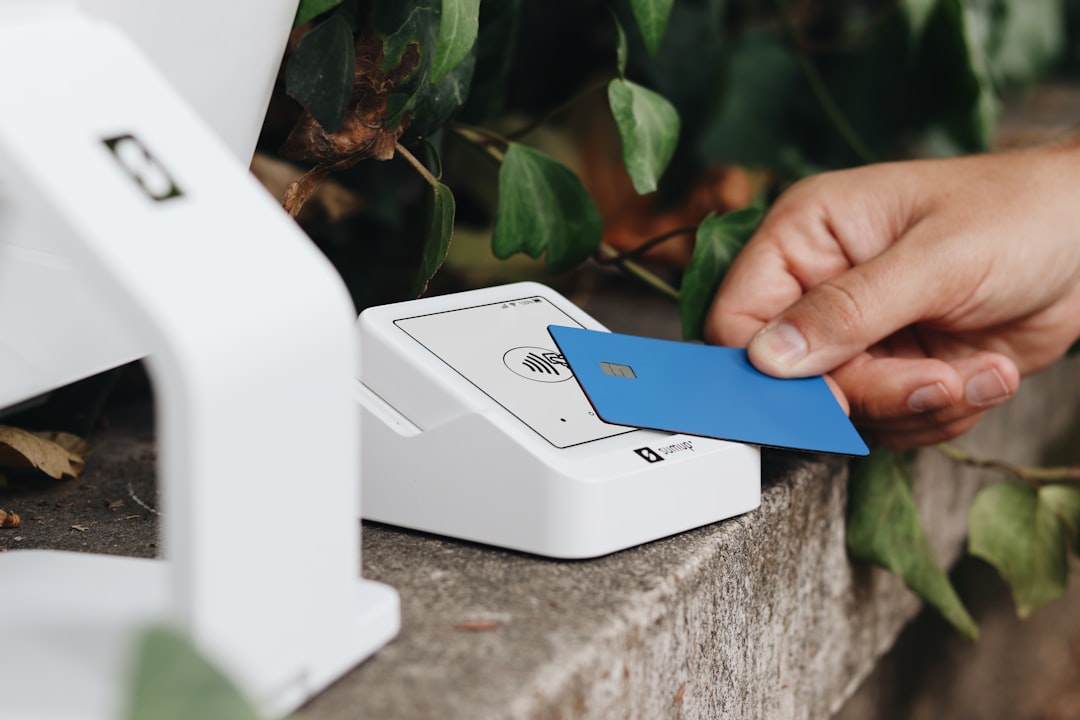
Small businesses often think of security as an IT topic, but the point of sale is where a lot of real-world risk shows up. The POS is where staff touch payments, discounts, taxes, customer accounts, refunds, invoices, appointments, and daily reporting. If a business only secures email and ignores the checkout workflow, it is protecting the front door while leaving the register drawer sitting open.
That does not mean every business needs a complicated enterprise security program. It means owners should build simple habits that match the way their team actually works. A cashier should not need the same permissions as a manager. A seasonal employee should not keep access forever. A service technician should be able to collect payment in the field without also being able to rewrite product catalogs. A front-desk worker may need to view appointments but not export every customer record.
When we think about M&M POS from an engineering point of view, this is one of the reasons we care so much about everyday operational flow. A POS system is not just a place to ring up a sale. It becomes the center of how the business moves money, tracks work, and understands what happened during the day. If the system is organized, the business has a better chance of staying organized. If the system is chaotic, the chaos spreads.
AI tools make good business hygiene more valuable
Many owners are experimenting with AI assistants for marketing posts, customer emails, product descriptions, bookkeeping cleanup, sales analysis, and employee training. That is a good thing. A small team can suddenly do work that previously required an agency, a data analyst, or a full-time admin person. But there is a catch: AI is only as useful as the information and boundaries around it.
If your product names are inconsistent, AI summaries become less reliable. If your customer notes are scattered across text messages, notebooks, and five different apps, automation cannot see the whole story. If refunds and voids are not tracked cleanly, your reports become harder to trust. If staff share one login, you cannot tell who changed what. The practical AI strategy for a small business starts before the prompt. It starts with cleaner systems.
That is where a strong POS foundation helps. With M&M POS, the goal is to give businesses a central place to run sales, inventory, invoices, customer workflows, and day-to-day operations without forcing the owner to stitch everything together manually. The more structured your operational data is, the easier it becomes to use modern tools responsibly. You can download M&M POS from https://mmpos.app/download and start building that cleaner workflow from the ground up.
A practical security checklist for non-technical owners
Instead of turning this into a scary cybersecurity lecture, here is a practical way to think about the issue. First, separate accounts by person whenever possible. Shared logins are convenient until something goes wrong. Second, review permissions by role. If someone does not need access to reports, exports, refunds, or settings, do not give it by default. Third, remove access quickly when an employee leaves. Fourth, keep payment and customer workflows inside trusted systems instead of spreading them across personal phones and random spreadsheets.
Fifth, be careful with browser extensions and new AI tools that ask for broad access to your inbox, documents, or store data. Some tools are excellent, but a shiny demo is not the same as a safe workflow. Ask what data the tool sees, what it stores, and whether it can take actions on your behalf. Sixth, treat your POS reports like a daily truth source. If yesterday’s sales, refunds, inventory movement, and invoices do not make sense, investigate while the details are still fresh.
Our team’s perspective is that security should feel like good store discipline, not a separate technical ritual. Locking the front door, counting the drawer, checking the schedule, and reviewing daily sales are normal business habits. Digital access deserves the same level of routine attention.
The businesses that win will be the ones with cleaner systems
The biggest opportunity in this AI-heavy moment is not just using more tools. It is building a business that can actually benefit from them. A messy operation with AI is still messy, just faster. A clean operation with AI can become sharper, more responsive, and easier to manage.
If you are running a small business, this is a good week to look at your checkout workflow and ask a few honest questions. Who has access? What can they change? Where do customer details live? How quickly can you find an invoice? Can you see what sold today? Can you tell which items need attention before the weekend rush? Can you trust the reports enough to make decisions?
M&M POS is built for exactly that kind of operational clarity. It gives businesses a practical system for sales, inventory, payments, invoices, and customer-facing workflows, while still being approachable for real teams that do not have time to become software administrators. Start at https://mmpos.app/, or go directly to the download page at https://mmpos.app/download.
AI security may sound like a future-facing topic, but for small businesses, it is already here in a very ordinary form: better accounts, better permissions, better workflows, and better systems. The sooner those habits become part of the daily routine, the easier it will be to adopt the next generation of tools without turning the business into a science experiment.