
Should you accept contactless payments on a phone, buy dedicated terminals, or run both? This comparison breaks down speed, reliability, tipping, receipts, and real-world failure modes for retail, restaurants, and service teams.
“Should we just do Tap to Pay on a phone?” is one of the most common questions we hear from new businesses and growing teams in 2026.
It’s a good question. Phone-based contactless acceptance is real now. But it’s not automatically the best answer for every counter, truck, or dining room.
Here’s the practical breakdown—no hype, just how this stuff behaves when you’re busy, understaffed, and the Wi‑Fi decides to be dramatic.
First: define your checkout environment
Before you compare hardware, answer these:
- Are you counter service, table service, mobile service, or mixed?
- Do you need tipping on-screen?
- Do you need printed receipts?
- Do you have multiple staff taking payments at once?
- Do you ever take payments in low-signal areas (events, basements, outdoors)?
Hardware is not just a payment choice—it’s a workflow choice.
Tap to Pay (phone-based) — where it shines
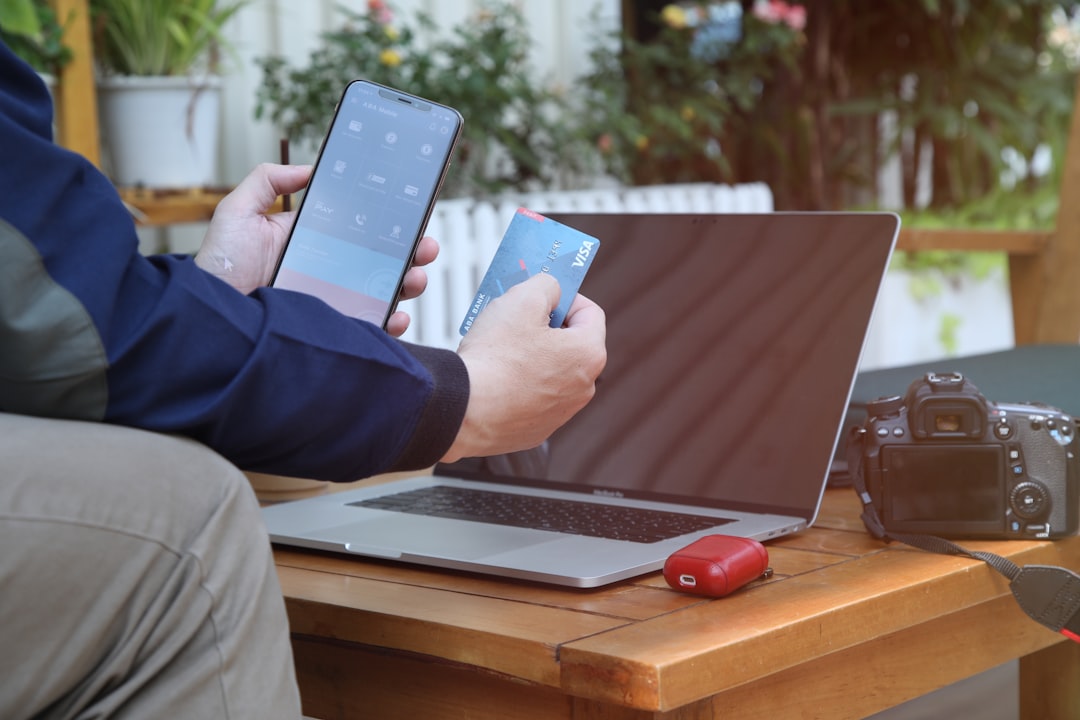
Best for: pop-ups, mobile service, low-volume counters, backup acceptance, and teams that need to start fast.
- Lower upfront cost: use a phone you already have.
- Fast setup: fewer boxes, fewer cables.
- Flexible: take payments anywhere (line busting, curbside, tables).
Common failure modes:
- Battery management becomes a “thing.”
- Staff notifications, calls, and app switching can slow the flow.
- OS updates or permission popups appear at the worst time.
Dedicated terminals — where they still win
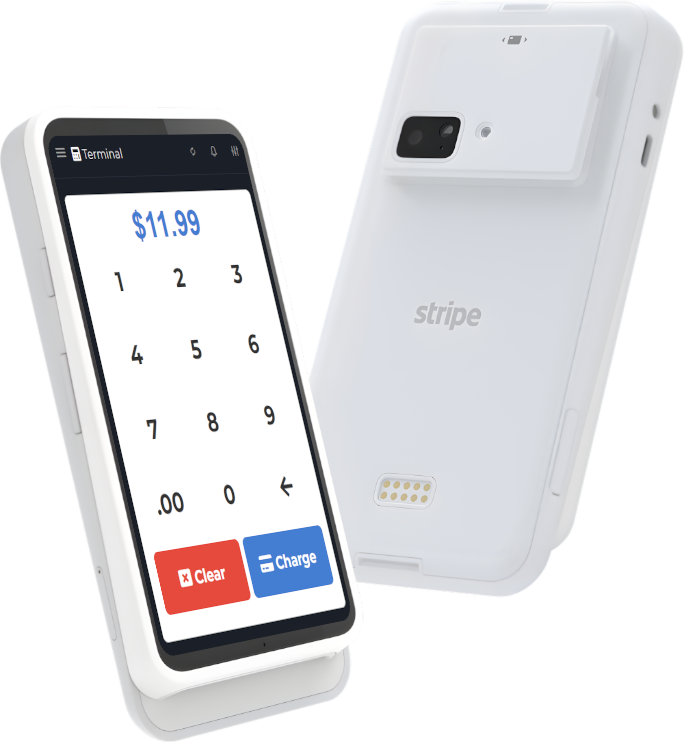
Best for: high-volume counters, consistent speed, durability, and environments where you want “appliance-like” behavior.
- Consistency: fewer distractions than a phone.
- Durability: built for drops, spills, and daily abuse.
- Peripherals: easier pairing with cash drawers, printers, scanners (depending on your setup).
Common failure modes:
- More stuff to deploy and replace.
- Sometimes less flexible for on-the-floor payments.
The honest recommendation: run both (primary + fallback)
If you can afford it, the best setup for many small businesses is:
- Dedicated terminal at the main checkout station (speed + consistency)
- Tap to Pay on phone as backup and for line-busting (resilience + flexibility)
From an ops perspective, this gives you graceful degradation. If the terminal fails, you keep selling. If the phone is dead, you still have a counter terminal. Redundancy isn’t overkill—it’s revenue protection.
What to test before you commit
Don’t decide based on a demo. Run your real scenarios:
- Split payments
- Refunds and voids
- Tips (including “no tip” and custom tip)
- Offline / spotty internet behavior
- Receipt delivery (print vs text/email)
Also test staff rotation: if you hand the device to a new hire, can they complete a sale without asking questions?
Where your POS fits in
Hardware decisions get easier when your POS workflow is clean and consistent. M&M POS is designed to keep checkout simple, so your team isn’t fighting the interface while customers are waiting.
If you’re evaluating your options, the quickest way is to install the app, run a realistic checkout rehearsal, and see how it feels with your actual menu/catalog. You can download M&M POS and test a few different device setups (phone-only, terminal + phone, tablet at the counter) before you spend money on hardware you’ll regret.
One last thought (the “engineer” truth)
Most checkout disasters are not caused by one big failure—they’re caused by small frictions stacking up: a slow unlock screen, a confusing tip prompt, a receipt that doesn’t include what you need, a refund flow that requires a manager for every mistake.
Choose the hardware that minimizes those frictions in your environment. And keep a fallback. Holiday weekends don’t care that your reader battery is low.