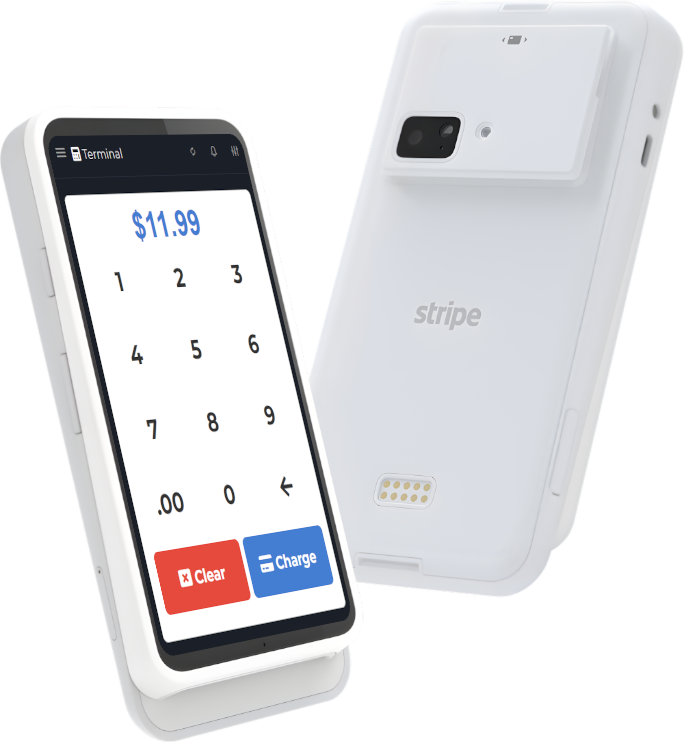


Build a checkout plan that accepts more payment options and keeps queues moving during peak hours.
Customers expect more ways to pay than ever. Wallets, bank rails, split payments, and regional options continue to spread across small business checkouts. The question is not whether to add methods, but how to add them without breaking speed, fraud control, and reconciliation. A good payment modernization plan starts with lane capacity and failure paths, not with brand headlines.
Why payment breadth is an operations project, not just a setup screen
Every new method has a real cost. The store team absorbs cost if the flow becomes confusing. The finance team absorbs cost if reconciliation is inconsistent. IT absorbs cost if terminal policies are wrong for your region. Therefore, treat payment expansion as a workflow project with owners and test plans.
Use a simple matrix when evaluating a new method:
- How often do customers request it?
- Does it require hardware, app, or network changes?
- Can staff recover quickly when it fails?
- How easy is daily reconciliation?
- Does it affect refunds and chargeback behavior?
Order of operations: from most frequent to edge-first
Prioritize methods by frequency and simplicity first. A low-volume, complex method can stay off by default until volume and support readiness improve. Keep a clear set of primary methods on the main screen and a secondary set in an overflow menu for experienced staff.
During the first month, do not let every method sit at equal visibility. Too many choices slow decision time and increase mistakes. A lane with five familiar methods often closes faster than one with fifteen hidden options and no clear explanation.
Design prompts for front-line staff
Most checkout mistakes happen when staff members do not know what to do after a decline or when a split tender should be offered. Build one-page prompts beside each register showing:
- Method status: available or temporarily disabled.
- Expected recovery action in order of speed.
- Fallback method for connectivity or terminal issues.
- When to escalate to lead.
Repeat these prompts during shift start, not once per quarter.
Use reporting to prevent silent loss
Payment readiness means measuring what actually happens after launch, not only what is enabled in settings. Track these daily:
- Attempts by method.
- Declines and retries by method.
- Time from attempt start to successful payment.
- Manager overrides due to confusion or disputes.
With these numbers, teams can remove low-performing methods and simplify checkout before frustration compounds. This is where operator-centered reporting earns trust.
Regional methods and business readiness
If your customer mix is mixed, regional methods can improve conversion. The key is to treat each method like a mini-process with documentation, staff confidence, and rollback risk. If your team cannot support a method during peak shifts, delay activation. It is better to stay simple now than to absorb hidden support debt.
When adding any method, pair it with a clear test plan for the morning and peak windows. Run small pilot sales, close, and reopen reports before full rollout. If no data anomaly appears, then scale.
Security, consent, and trust signals
Customers trust payment systems that behave predictably. If the interface explains little or errors are vague, trust drops. Keep messages clear and non-technical: paid, declined, offline fallback, retry available. If refunds need additional timing, show that early. If taxes or tips affect final total, show expected timing before final approval.
Operators do not need perfect wording, only clear wording.
Queue protection during peak sales
Peak hours reveal fragile setup. Build a queue protection sequence before launch:
- Enable secondary queue line for card retries.
- Assign one staff member as method fallback owner.
- Activate pre-set method order so new options cannot reorder every shift.
- Keep receipts and order number capture visible in all flows.
This is the difference between adding options and adding resilience. Your payment menu should speed customers through checkout, not force training theater.
Integrating with M&M POS workflows
The strongest stores do not chase novelty. They start with a disciplined activation sequence, then connect method expansion to reporting and daily coaching. If your team needs a practical framework with guardrails, download M&M POS and align checkout settings, role limits, and reconciliation reports before enabling new payment rails.
Weekly review script you can reuse
- Monday: review last week decline and retry rates by method.
- Wednesday: coach staff on the top two confusion points.
- Friday: prune methods that add friction without conversion gain.
- Sunday: confirm refund, settlement, and dispute process for all active methods.
Payment method breadth wins when growth is tied to operational control, not excitement over labels.
Payment method governance for sustained throughput
After pilot success, the risky part starts: expanding method count again. Do not expand from five to fifteen in a single day. Expand one method per week and lock its fallback path first. For each new method, create a two-step playbook: normal entry and failure path. If failure spikes, move the method to secondary support until staff confidence returns.
Operationally, review these points each week:
- What is the true decline cause for each method?
- How many failed attempts happened at each hour?
- How many failures recovered without help?
- How often did queue length exceed SLA?
These points matter more than activation count. If a method creates confusion and no measurable conversion, pause it and reconfigure.
Keep a rollback rule in writing. Teams should know which action returns checkout to default mode in under two minutes. Operational calm comes from predictable fallback.
Regional and network resilience planning
Most stores fail when payment additions are not matched with network monitoring. If one provider path is unstable, your fallback method becomes the only stable route. Keep a simple incident matrix visible to leads:
- Which method depends on which terminal firmware version.
- Which method has manual verification steps.
- Which store zones show higher failure rates.
- Who escalates recurring provider issues.
By mapping this matrix weekly, teams reduce panic when a provider changes behavior suddenly. Keep a short script at register level: check method availability list, reroute to fallback, confirm with the customer, and log for later reconciliation review.
When your fallback path is trained and stable, queues recover faster. The same logic applies to hardware and network updates. Treat every new method not as a feature, but as another path through which your store promise must pass without breaking.