
A practical closeout routine for small teams covering cash, receipts, discounts, notes, and next-shift handoffs.
Shift Closeout works best when it is treated as a normal operating habit, not a cleanup project. During a closing time, the team needs quick answers that are accurate enough to act on. What happened, who touched it, what changed, and what should happen next? If those answers live in memory, paper notes, inboxes, and disconnected spreadsheets, the business loses time exactly when customers need attention. A practical POS workflow keeps the record close to the work so the team can move faster without guessing.
The first step is to define what information matters. For this workflow, focus on cash counts, card totals, refunds, discounts, open orders, low stock, and handoff notes. Do not try to document every possible detail. Capture the facts that help the next employee serve the customer, explain the sale, protect margin, or prepare the next shift. Good records are short, specific, and easy to review. They should help a person make a decision in seconds, not create a second job after the rush is over.
Start with the failure points
Before changing tools or policies, list the mistakes that cost time or money. In this area, the common risks are unexplained drawer differences, forgotten customer promises, and repeated manual overrides. Each risk should point to a specific check. If staff miss scans, improve labels and SKU selection. If notes are unclear, standardize the note format. If refunds are confusing, require a reason at the time of the adjustment. A workflow improves fastest when the business fixes the point where information first gets lost.
Keep the list short enough to use. A small business does not need an enterprise manual for every scenario. It needs a few non-negotiable habits that happen the same way on a normal Tuesday and during a crowded weekend. The best rules are visible at the counter, repeated during training, and supported by the POS screen or report the team already uses.
Build the habit into the shift
Use a simple checklist for the next operating cycle: review payment totals, explain exceptions, record open customer items, and leave a short next-shift handoff. Assign the check to a role, not just to a person. If only one employee understands the process, the system breaks when that person is absent. A cashier, server, buyer, manager, or owner should know exactly which part of the record they are responsible for and when that record is considered complete.
Timing matters. Record details while the event is fresh instead of saving them for the end of the day. A refund reason entered during the sale is more useful than a vague note written hours later. A stock correction made when the product is found is more reliable than a count reconstructed after closing. A handoff note written before the next shift arrives prevents the owner from becoming the only person who knows what was promised.
Use reports to improve the process
Reports should start better questions, not just produce totals. Look for patterns in exceptions, overrides, discounts, refunds, low-stock items, delayed orders, and customer issues. If the same problem repeats, treat it as a workflow signal. Maybe the shelf label is confusing, the menu modifier is unclear, the supplier lead time changed, the promotion rule is too broad, or the team needs a better permission setting. The report helps the business improve the system instead of blaming whoever happened to be on shift.
Review the pattern on a regular schedule. Daily review works for high-volume exceptions. Weekly review works for purchasing, inventory movement, and payment questions. Monthly review works for larger decisions such as category changes, staffing plans, and supplier relationships. The cadence matters because small problems become expensive when nobody looks at them until the end of the season.
Protect customer experience while tightening control
Operational control should not make customers feel like they are waiting on paperwork. The goal is to make the correct action easier for the team, which usually makes service faster. Clear labels speed checkout. Clear payment status reduces awkward conversations. Clear notes help staff answer questions without calling the owner. Clear closeout reports make tomorrow smoother. When the workflow is designed well, control and customer experience improve together.
Train the team on the reason behind the habit. People follow a process more consistently when they understand what it protects. A barcode check protects price accuracy. A pickup status protects the guest from receiving the wrong order. A receipt note protects the business from confusion later. A closeout handoff protects the next shift. A reorder review protects cash and shelf space. Explain the business reason in plain language and the routine will feel less like busywork.
Make one improvement this week
Pick one location, one shift, and one measurable behavior. Write the current process in five steps, then mark where information gets lost. Choose the smallest change that would make the next shift easier: a clearer label, a required note, a standard status, a cleaner receipt, or a short end-of-day review. After three days, compare the reports and ask the team what still feels unclear. Small operational improvements work best when they are visible, repeatable, and easy to teach.
Do not let the first version become permanent just because it is written down. Watch how the team actually uses the process when customers are waiting. If the rule creates confusion, simplify it. If the report is ignored, make the exception easier to find. If a step depends on owner approval too often, clarify the permission level. Good operations are refined in the real work, not only in planning.
The final test is whether a new team member can follow the routine without private knowledge. Give that person the checklist, show where the record lives, and ask them to explain what they would do when something does not match. If they can answer, the workflow is teachable. If they cannot, the process still depends too much on memory, habit, or one experienced employee.
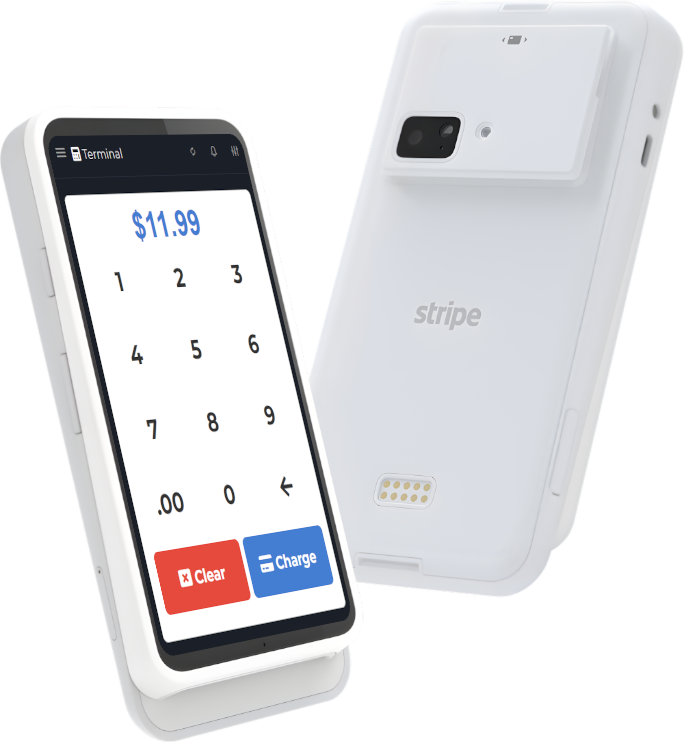
M&M POS helps small businesses keep checkout, inventory, receipts, Stripe payments, customer records, and reports connected in one operating workflow. If your current process depends on paper notes, disconnected spreadsheets, or memory at the end of a busy shift, you can download M&M POS and start building cleaner habits from the register outward.